Taketomi: red tiles and coral walls
A short boat ride from Ishigaki, the small island of Taketomi keeps a traditional Ryukyuan village almost intact: red-tiled roofs, coral-stone walls, white sand lanes and bougainvillea.
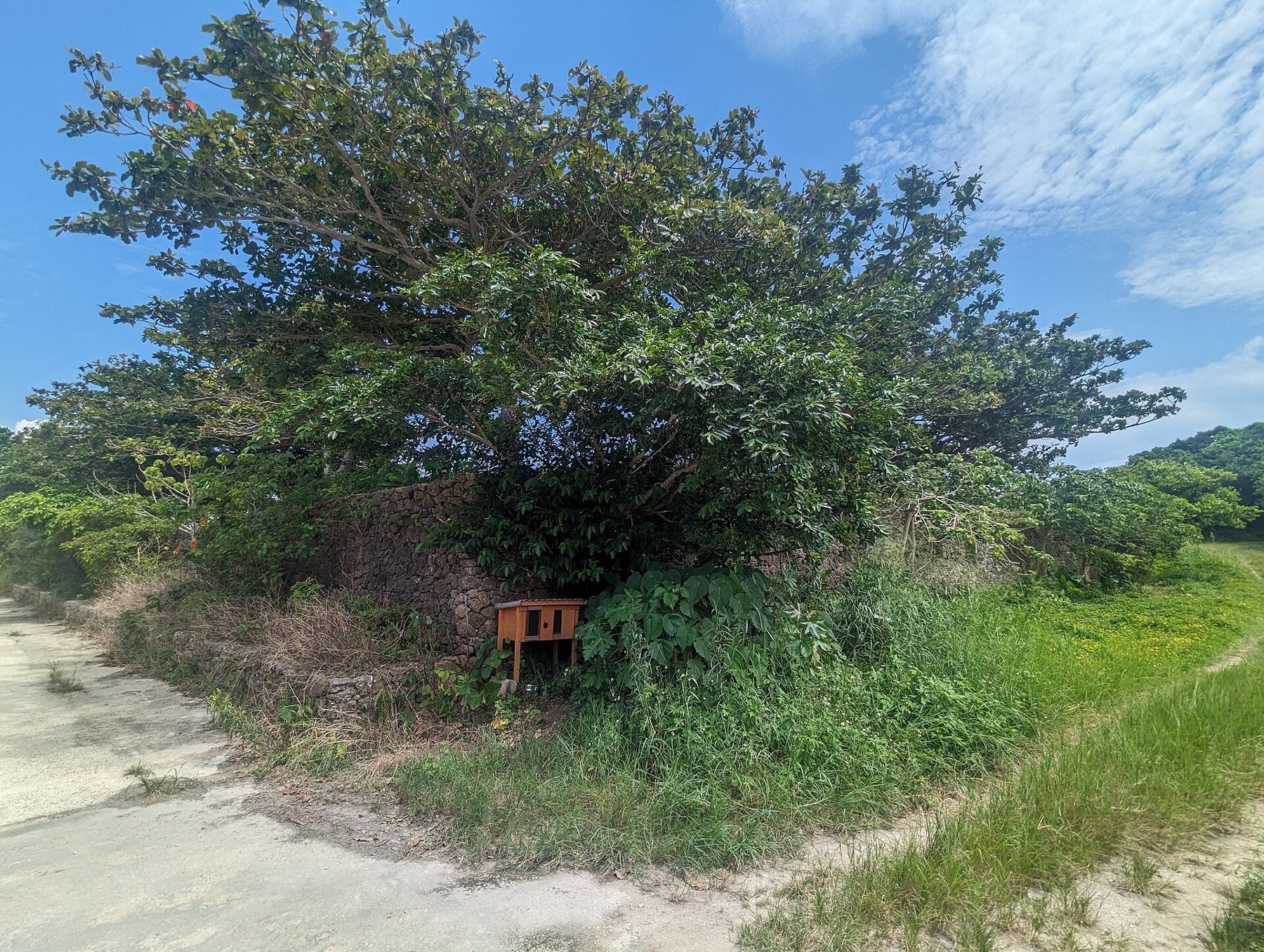
Taketomi is one of the smallest inhabited islands in the Yaeyama group, flat and low, a few kilometres across. It is famous for its village, which has kept the look of a traditional Ryukyuan settlement more completely than almost anywhere else in Okinawa. Houses with low red-tiled roofs stand behind walls of stacked coral stone, shisa sit on the roofs, and the lanes are covered with white coral sand that is swept every morning. The whole village is protected as a preservation district for traditional buildings.
The road up
Boats leave frequently from Ishigaki's island ferry terminal, and the crossing takes only around ten to fifteen minutes. That makes Taketomi an easy half-day or day trip. From the island's small port, the village is a short walk or ride inland. Check the return times, and be aware that the last boats back fill up in high season.
The village
The village is the heart of the island and the reason most people come. The houses follow traditional designs, low to the ground against typhoons, with roofs of red tiles set in white mortar and gardens behind the walls. Many have a free-standing screen wall, a hinpun, just inside the gate, which shields the house and is said to keep out evil spirits, which travel only in straight lines.
People live here. Walk on the lanes, not into gardens or through gates, keep your voice down, and ask before photographing anyone. Cycling is a popular way to get around, but the sand lanes are soft in places; ride slowly and give way to people on foot.
Water buffalo carts
A traditional way to see the village is from a cart pulled slowly by a water buffalo, with the driver often singing local songs and playing the sanshin. Several operators run these rides. If you take one, it is an easy, unhurried way to see the lanes.
Beaches and star sand
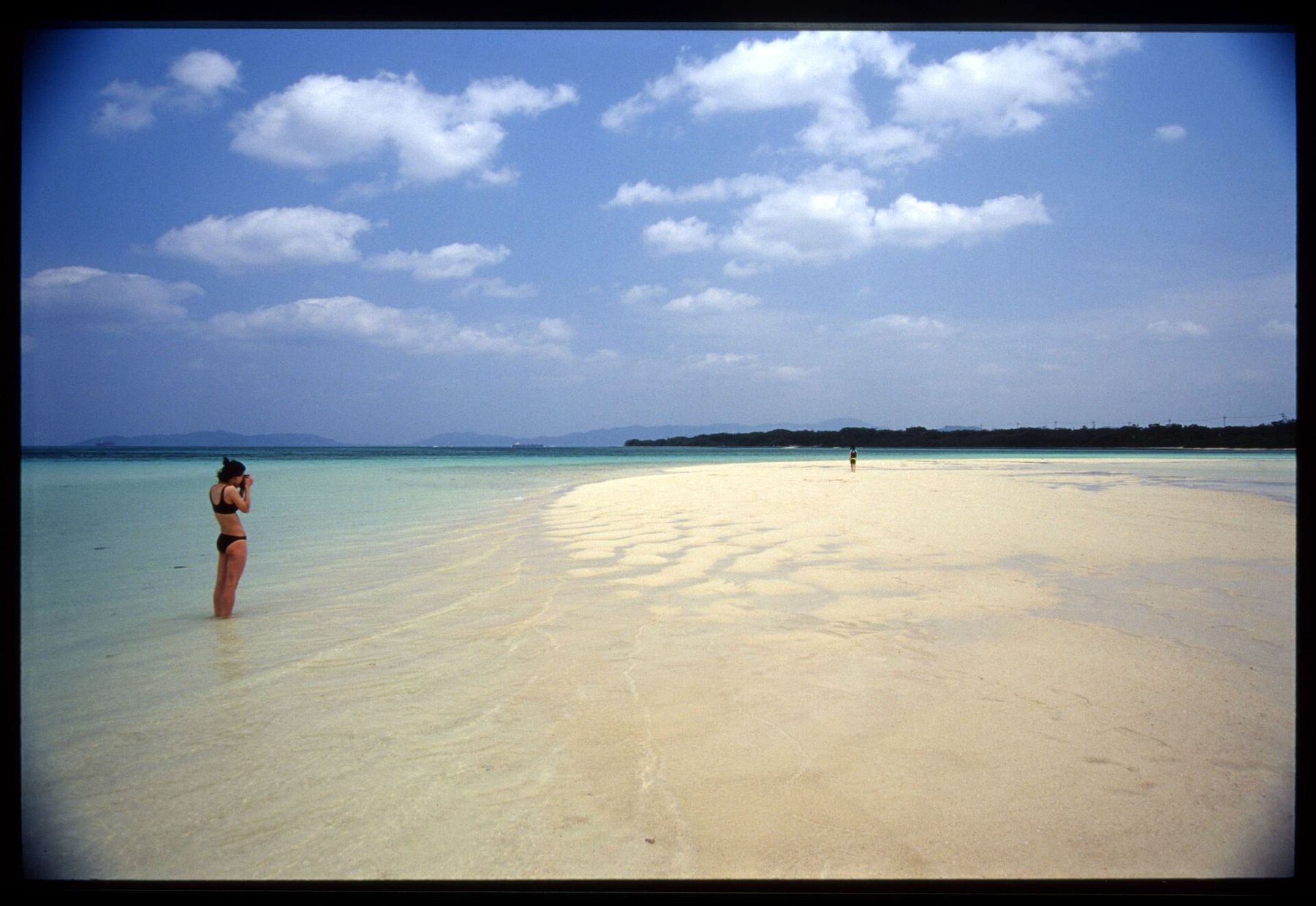
The island has beaches on its west coast, with shallow water and views of the sunset over the sea. Kondoi Beach is the best known for swimming, with very shallow, calm water at low tide. Kaiji Beach is known for star sand, tiny star-shaped shells left by single-celled sea creatures. It is tempting to take some home, but the beaches are part of a national park; leave the sand where it is.
How the village was built
Taketomi's houses are designed for typhoons and heat. They sit low, with heavy tiled roofs weighted with mortar and wide eaves for shade. The coral-stone walls around each garden, built without mortar, let wind pass through while breaking its force. Gardens are full of trees and flowers, which add shade and privacy. The white sand of the lanes reflects light and stays cooler underfoot than paving.
Yaeyama IslandsIshigaki, the ferry hub of YaeyamaFlight to Ishigaki, then ferryThe village works hard to keep this character. Residents follow rules about building materials and colours, and they sweep the lanes each morning.
Island festivals
Taketomi's most important festival, held in autumn, has been performed for centuries, with dances and plays offered to the gods to ask for a good harvest. It draws people from across the Yaeyama Islands. If your visit coincides, it is a rare chance to see the island's traditions performed by its own people.
A slow circuit of the island
Taketomi is small enough to cycle around in an hour or two. A road runs around the island near the coast, with tracks leading down to beaches, and the village in the middle. Bicycles can be hired near the port; ride slowly in the village and park only where it is allowed. Bring water: there are few shops outside the village.
The best time to see the village is in the hour after the first boats arrive, before the crowds spread out, or in the late afternoon after the last tour groups leave. Sunset from the western beaches is especially beautiful.
Sounds and smells
Walk the lanes slowly and the village reveals itself through more than sight: the scrape of brooms on sand in the early morning, the sound of a sanshin from a courtyard, hibiscus and frangipani scenting the warm air, chickens in gardens and the crunch of coral sand underfoot. These small things are the real reason to linger.
Bring cash; small shops may not take cards.
Leave only footprints in the sand.
Best island weeks
Early morning and late afternoon are best, when the day-trippers are fewer and the light is softer on the red roofs. The middle of the day in summer can be very hot, with little shade on the sand lanes. Typhoons from late summer into autumn can stop the boats entirely. Spring and autumn are comfortable, and winter is mild but sometimes windy.
Staying the night
A few traditional guesthouses on the island allow visitors to stay after the last boat leaves. The island becomes very quiet in the evening, with the stars bright overhead. Book well ahead if you want to stay.
Respecting a living village
- Do not enter private gardens or houses.
- Stay on the lanes and paths.
- Take rubbish back to Ishigaki.
- Do not climb on walls or roofs, even for photos.
For the hub that serves Taketomi, see Ishigaki. For the guardians on the roofs, read shisa, the guardians, and for the bigger island next door, Iriomote.