The Kerama blue: Tokashiki, Zamami and Aka
Less than an hour by fast boat from Naha, a cluster of small islands sits in water so clear and blue it has its own name. The Kerama Islands are a national park, and the easiest island escape in Okinawa.
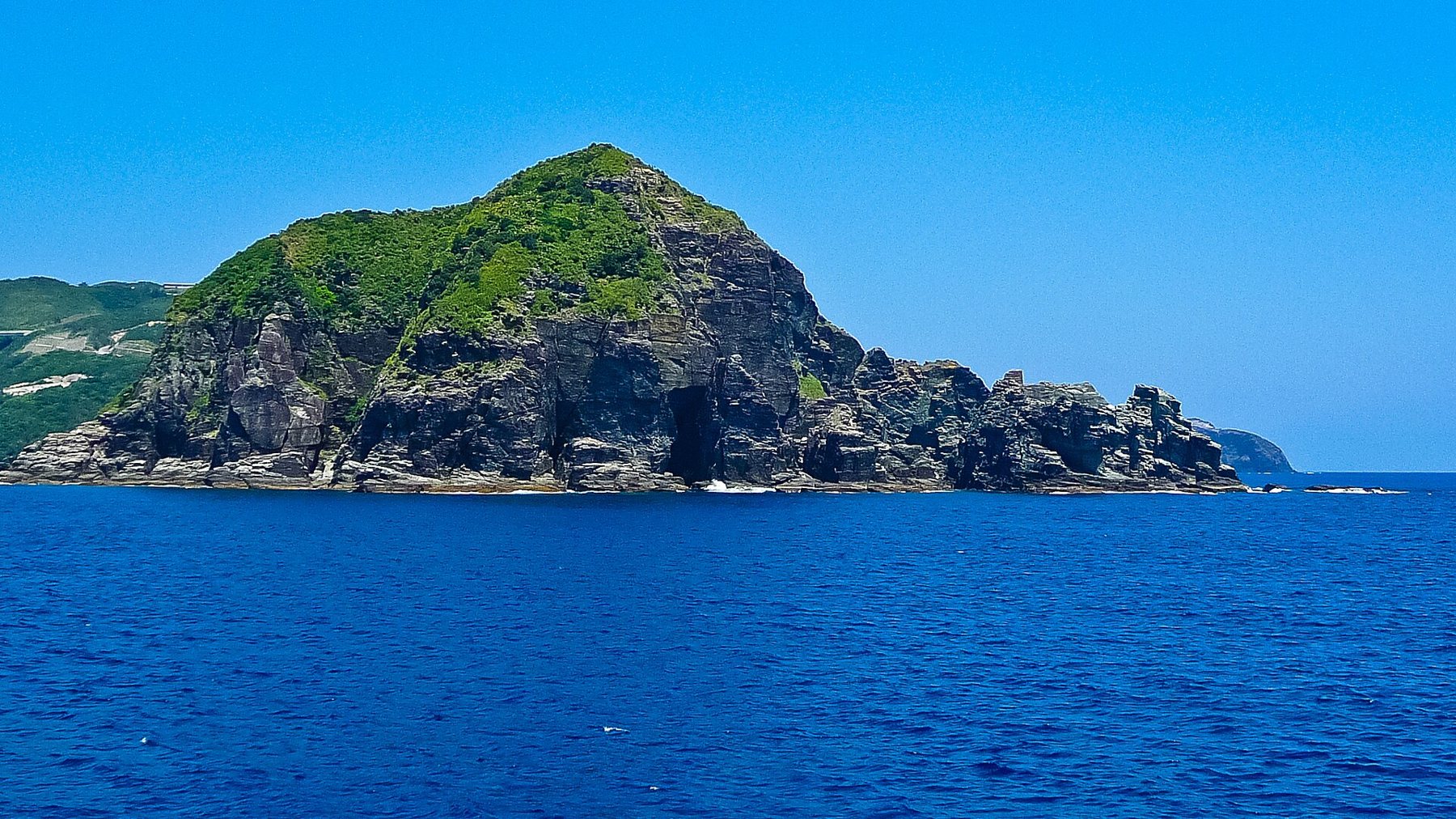
West of Naha, scattered across the sea about forty kilometres away, lie the Kerama Islands: a group of small, hilly islands fringed with white beaches and coral reefs. The water around them is famously clear, and the deep, bright colour of the sea has its own name in Japanese, Kerama blue. In 2014 the islands and the surrounding sea became Kerama Shoto National Park. For anyone based in Naha, they are the easiest way to experience Okinawa's small-island life.
The islands
Three islands are inhabited and regularly visited. Tokashiki is the largest and closest to Naha, with long beaches on its west coast. Zamami has a small village by the harbour, several beautiful beaches and lookout points over the surrounding islands. Aka, close to Zamami, is smaller still, linked by bridges to the neighbouring island of Geruma. On Aka and Geruma, small wild deer, a protected natural monument, sometimes wander near the roads.
The road up
Ferries and faster boats leave from Tomari Port in Naha, a short taxi or walk from the city centre. The fast boats take under an hour; the larger ferries take longer but are steadier in swell. Some boats call at more than one island. Sailings are limited, popular in summer and at weekends, and cancelled in rough seas, so book ahead where possible.
Small local boats link Zamami and Aka for island-hopping within the group.
Sailings are limited, popular in summer and at weekends, and cancelled in rough seas
Beaches
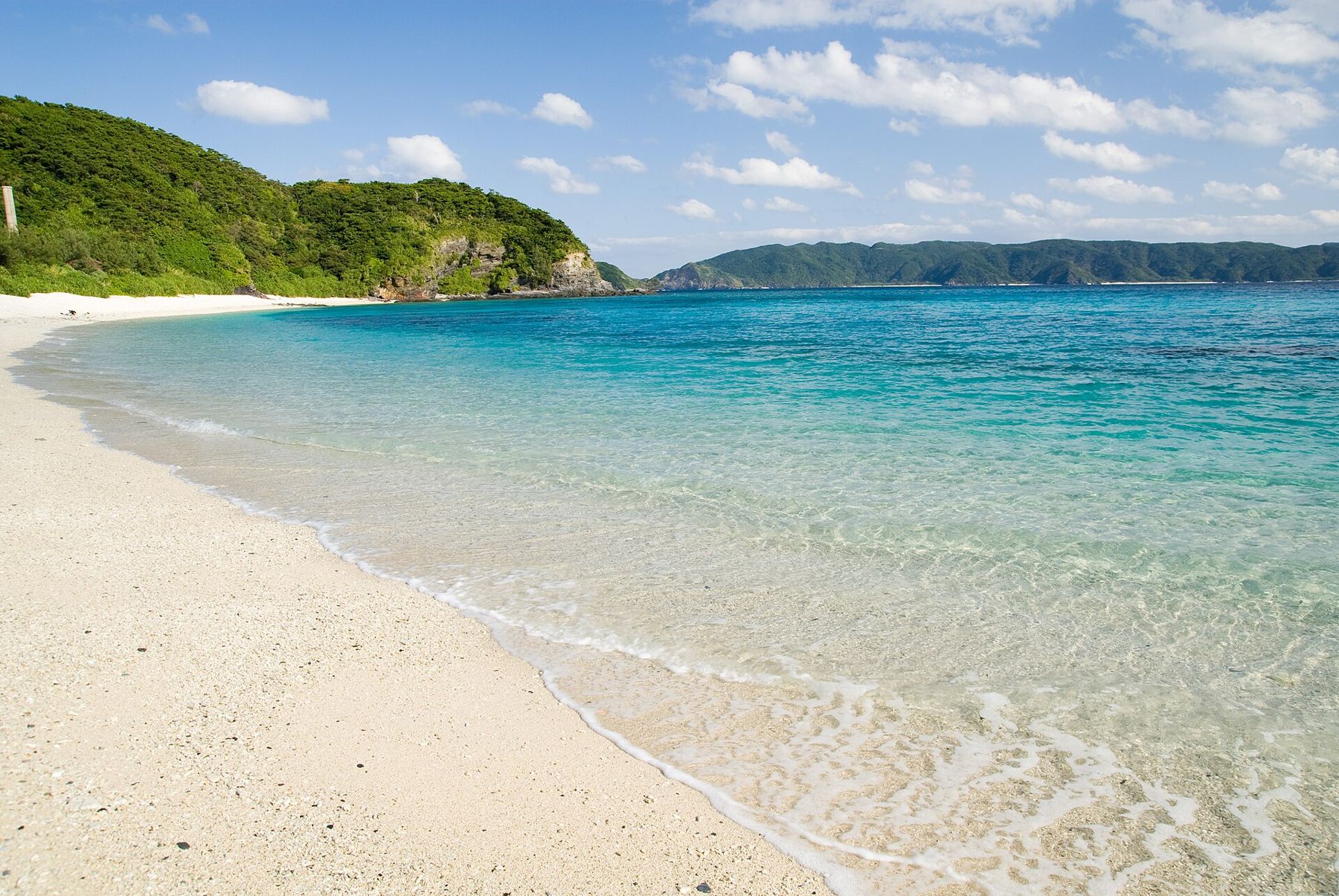
Furuzamami Beach on Zamami and Aharen Beach on Tokashiki are among the best known, with fine sand and reefs close to shore. In the warmer months, many beaches have lifeguards, nets against box jellyfish and facilities such as showers. Swim only where it is permitted and safe, and pay attention to flags, currents and tides.
Turtles and reefs
Sea turtles are often seen in the shallow bays, grazing on seagrass. Watch them from a distance in the water, never touch or chase them, and do not block their way to the surface. The reefs are protected within the national park, and collecting coral, shells or sea life is not allowed.
- Never stand on coral, even in shallow water. Learn to float before you snorkel over a reef.
- Use reef-safe sunscreen or cover up with a rash vest instead.
- Snorkel with a buddy and stay within marked areas.
- Take your rubbish back with you; island waste is hard to manage.
Views from the hills
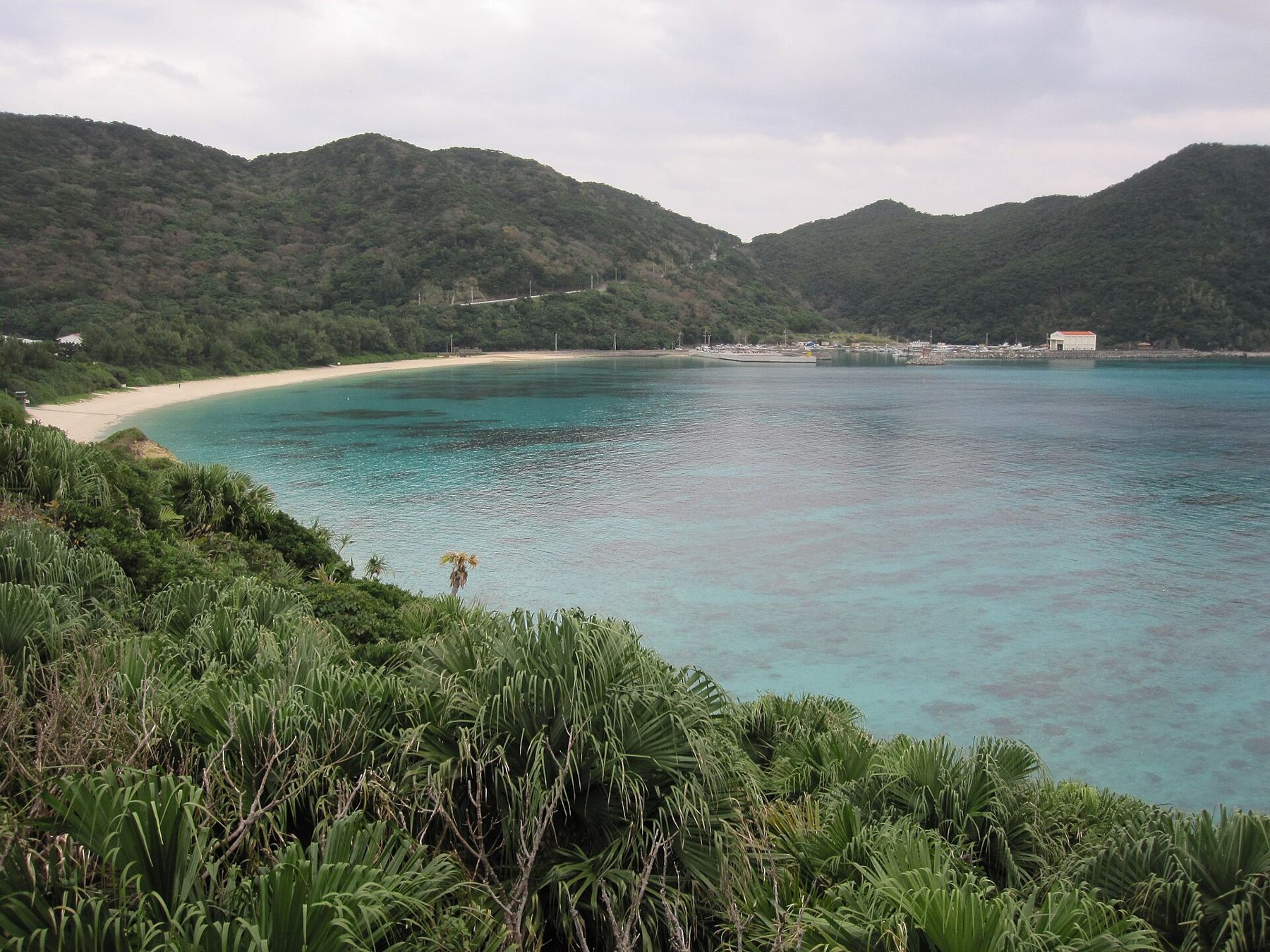
Kerama IslandsHumpback whales off Zamami in winterFast boat or ferry from Tomari portThe islands are small but hilly, and their lookout points give some of the best views in Okinawa: a scatter of green islands in a blue sea, reefs showing pale through the water, boats crossing between them. Zamami has several lookouts reached by short drives or walks from the village; Tokashiki and Aka have their own. Sunset from a western lookout is worth the walk for the colour alone.
History in the islands
The Kerama Islands were the first part of Okinawa to be invaded in March 1945, at the start of the Battle of Okinawa, and they saw tragic events among the civilian population. Memorials on the islands remember them. As elsewhere in Okinawa, visit these places quietly and with respect.
Moving between the islands
Within the group, small local boats link Zamami, Aka and Geruma, and Tokashiki has its own services from Naha. Timetables are built around the main ferries from Naha, so plan island hops carefully. Bicycles, scooters and small buses help on the islands themselves; distances are short but the roads are hilly.
Each island has a slightly different character. Tokashiki feels the most spacious, with long beaches and quiet roads. Zamami has the liveliest village and the most lookouts. Aka is small and intimate, with a single village and the bridges to Geruma.
The islands are quiet places with small populations. Shops are few and close early, and cash is still important in many of them. Bring what you need from Naha, including any medication, and do not expect late-night services.
Seasons on the water
The water around the Keramas is clearest in late spring and autumn, when calm days and gentle swells let light reach deep into the bays. In summer, the sea is warm and inviting but the sun is fierce, and afternoon winds can roughen the water. Winter brings cooler water and stronger winds, but also the whales. Whatever the season, the colour of the sea on a sunny day is the reason most people come back.
Day trip or overnight
A day trip from Naha is possible, especially to Tokashiki, but sailing times limit how long you get on the island. Staying a night lets you see the islands at their quietest, after the last boat leaves, and catch a sunset from a lookout. Accommodation on the islands is limited and fills in summer; plan ahead. Okidoki leaves the choice of lodging to you.
Best island weeks
The water is warm enough for most swimmers from about May to October. Summer brings calm days and crowds, and typhoons from July to October can cancel boats for days. In winter, from about January to March, humpback whales pass close to the islands. Spring and autumn are a good balance of warm water, fewer people and steadier weather.
For the winter whales, read humpbacks off Zamami. For how the boats work across the whole chain, see how the ferries tie the islands together, and for the season's risks, typhoon season.