Humpback whales off Zamami in winter
Every winter, humpback whales come to the warm waters around the Kerama Islands to breed and raise their calves. From Zamami's hilltop lookouts, you can sometimes watch them breach without leaving land.
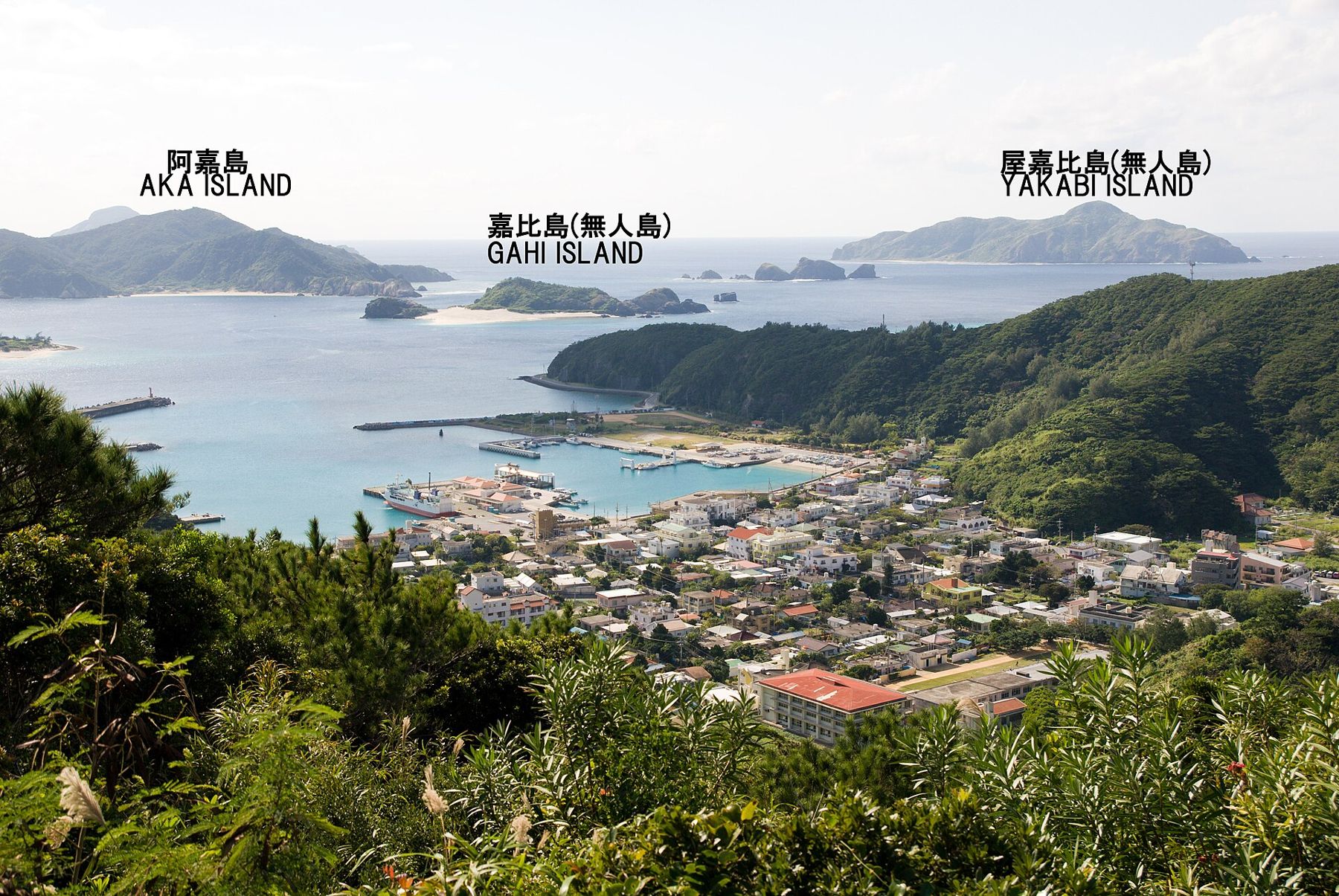
From about January to March, humpback whales gather in the warm waters around the Kerama Islands, west of Naha. They come from feeding grounds far to the north to mate and give birth, and for a few months the sea around Zamami becomes one of the best places in Japan to see them. Whales may be spotted from boats, and on clear days from lookout points on the island itself.
Why the whales come here
Humpbacks spend the summer feeding in cold, food-rich northern waters and travel south in winter to warmer seas to breed. The waters around Okinawa are one of their winter grounds. Mothers with calves, groups of males competing for females, and single whales all pass through. The exact numbers and timing vary from year to year, but the season generally runs from late December or January into March, sometimes early April.
Watching from land
Zamami has lookout points on its hills with wide views over the surrounding sea. On a calm, clear day, watch for the spout of a whale breathing, a tall, bushy column of spray, then the dark curve of its back. If you are lucky, you may see a whale breach, launching most of its body out of the water and landing with a huge splash, or slap its long pectoral fins or tail on the surface.
Binoculars help enormously. Be patient: whales can stay underwater for many minutes at a time.
Watching from a boat
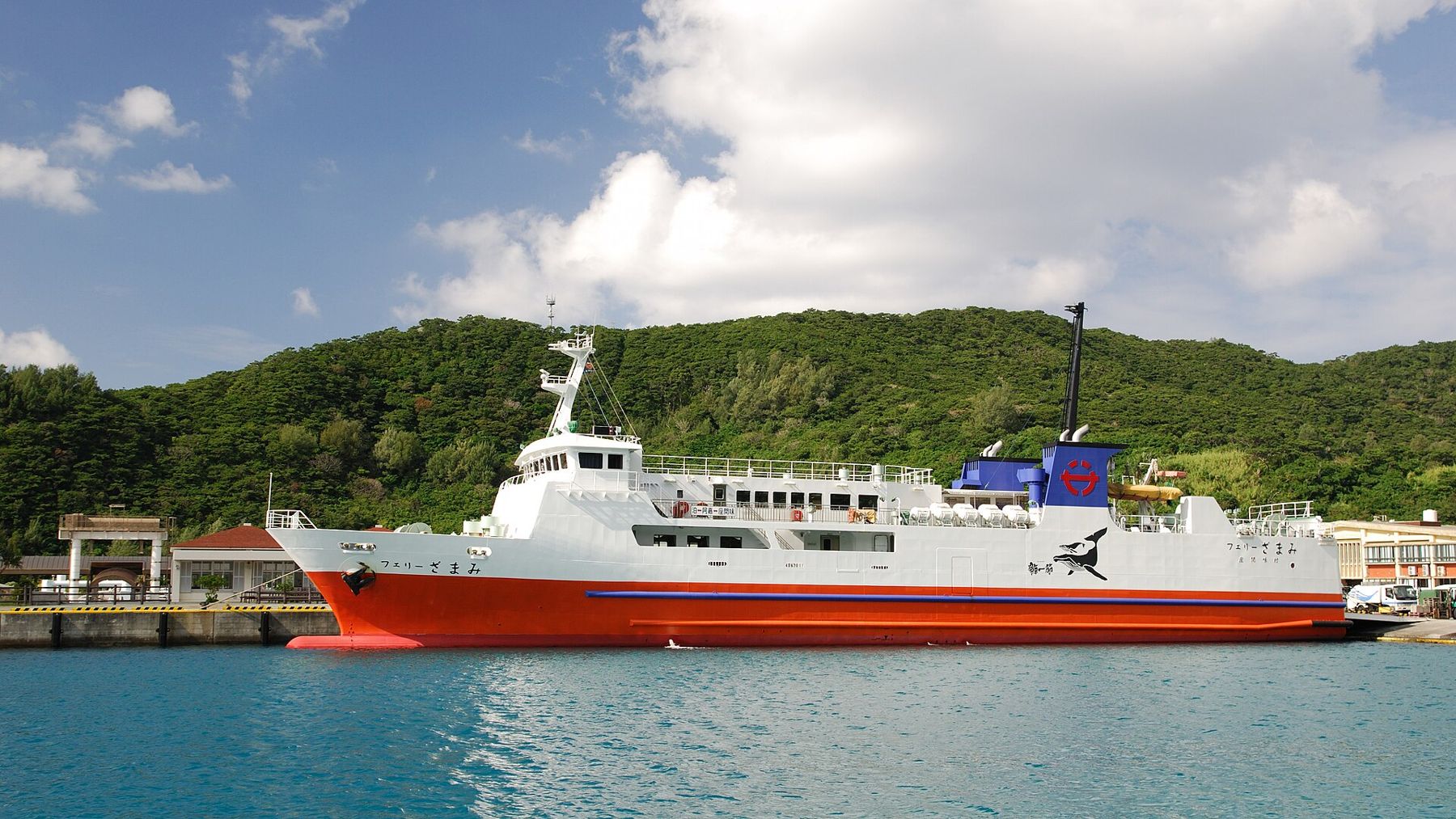
Whale-watching boats run from Zamami and from Naha during the season. Local rules and guidelines in the Kerama area set how close boats may approach whales and how they should behave around them, to avoid stressing mothers and calves. Choose a trip that follows them, and expect the boat to keep its distance and turn off its engine at times.
The sea can be rough in winter, with strong northerly winds and swell. If you are prone to seasickness, take precautions before you sail, and remember that trips are cancelled in bad weather.
What to bring
- A warm, windproof layer: winter winds at sea and on the lookouts can be cold.
- Binoculars and a camera with a zoom lens.
- Sun protection, even in winter.
- Seasickness tablets if you are taking a boat.
Island life in winter
Winter is the quiet season in the Keramas. Beaches are empty, the water is cooler, and fewer boats run. It is a peaceful time to walk the island roads, visit the small village and watch the sea from the cliffs. Some facilities close or reduce their hours in winter.
Reading the sea
Kerama IslandsThe Kerama blue: Tokashiki, Zamami and AkaFast boat or ferry from Naha's Tomari portSpotting whales takes practice. On a calm day, scan the sea slowly, looking for the spout, a puff of white mist that hangs in the air for a moment. Groups of whales may surface together, and a whale that has been feeding or resting may stay close to the surface for several breaths before diving. When a whale lifts its tail high as it dives, it is about to go deep, and may not reappear for many minutes, often some distance away.
Wind makes spotting harder, because whitecaps hide spouts. The best days are clear and calm, often after a front has passed.
A season of song
Male humpbacks sing during the breeding season, long, complex songs that carry for great distances underwater. On some boat trips, hydrophones are lowered into the water so that passengers can listen. Even without one, knowing that the sea around you is full of these songs adds something to a winter day on Zamami.
Combining with Naha
Whale-watching trips from Naha avoid the need to stay on the islands, though the boat ride out is longer. Staying a night or two on Zamami gives more chances, lookouts at sunrise and sunset, and a quieter experience. Either way, keep a spare day in case bad weather cancels your trip.
Cold-water days
Winter on the Keramas is mild by mainland Japanese standards, often in the high teens Celsius, but a north wind on an open boat or hilltop feels much colder. Dress in layers, with a windproof jacket and a hat. On calm, sunny days, the islands can feel almost warm, and walking between lookouts is very pleasant.
If you do not see a whale on your first day, try again. Patterns change daily with weather and the whales' own movements, and many visitors who are patient are rewarded on the second or third attempt. Ask at the island's information points about recent sightings.
Other winter visitors
Winter also brings other sights. Migrating birds rest on the islands, the sea is often at its clearest after cold fronts, and the low winter sun lights the cliffs in warm tones in the late afternoon. Even without whales, a winter day on Zamami is a peaceful pleasure, with quiet beaches and empty island roads.
Respect, here, also means giving the islanders their space.
Respecting the whales
Whales are large wild animals, and calves are vulnerable. Never swim with or approach whales on your own, and do not use drones near them without knowing the local rules. Enjoy them from a distance; the sight of a whale rising from a winter sea is reward enough.
For the islands in warmer months, read the Kerama blue. For boats and timetables across Okinawa, see how the ferries tie the islands together.