How the ferries tie the islands together
Okinawa is a chain of islands, but there is no single ferry running down it. The main island, Kerama, Miyako and Yaeyama each have their own links, and some gaps are only bridged by air.
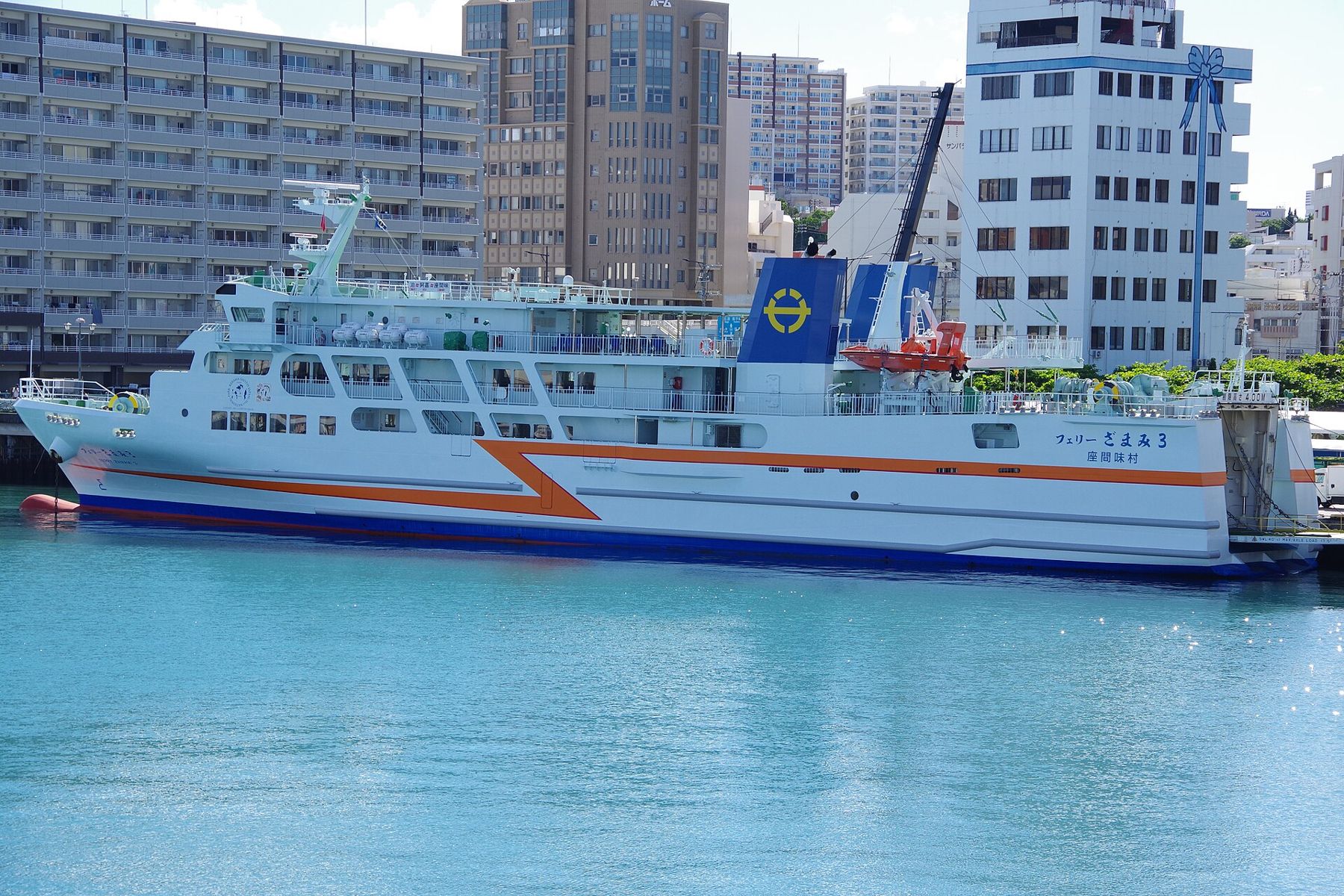
Looking at a map, it is tempting to imagine hopping down the Okinawan chain by boat from Naha to Iriomote. In practice, the islands are grouped, and the gaps between the groups are long stretches of open sea. Boats connect the islands within each group, and a few routes reach out from the main island, but between the main island, Miyako and the Yaeyama Islands, people fly.
From the main island
Tomari Port in Naha is the departure point for ferries and fast boats to the Kerama Islands, about forty kilometres west, and to other islands around the main island, including Kume Island and Aguni. Some smaller islands off the coasts of the main island are reached from ports in the north and east. Several ports also have boats to islands like Iheya and Izena in the north.
There is currently no regular passenger ferry from Naha to Miyako or Ishigaki. Flights take under an hour to Miyako and about an hour to Ishigaki, and there are direct flights to both from several mainland cities.
In the Miyako group
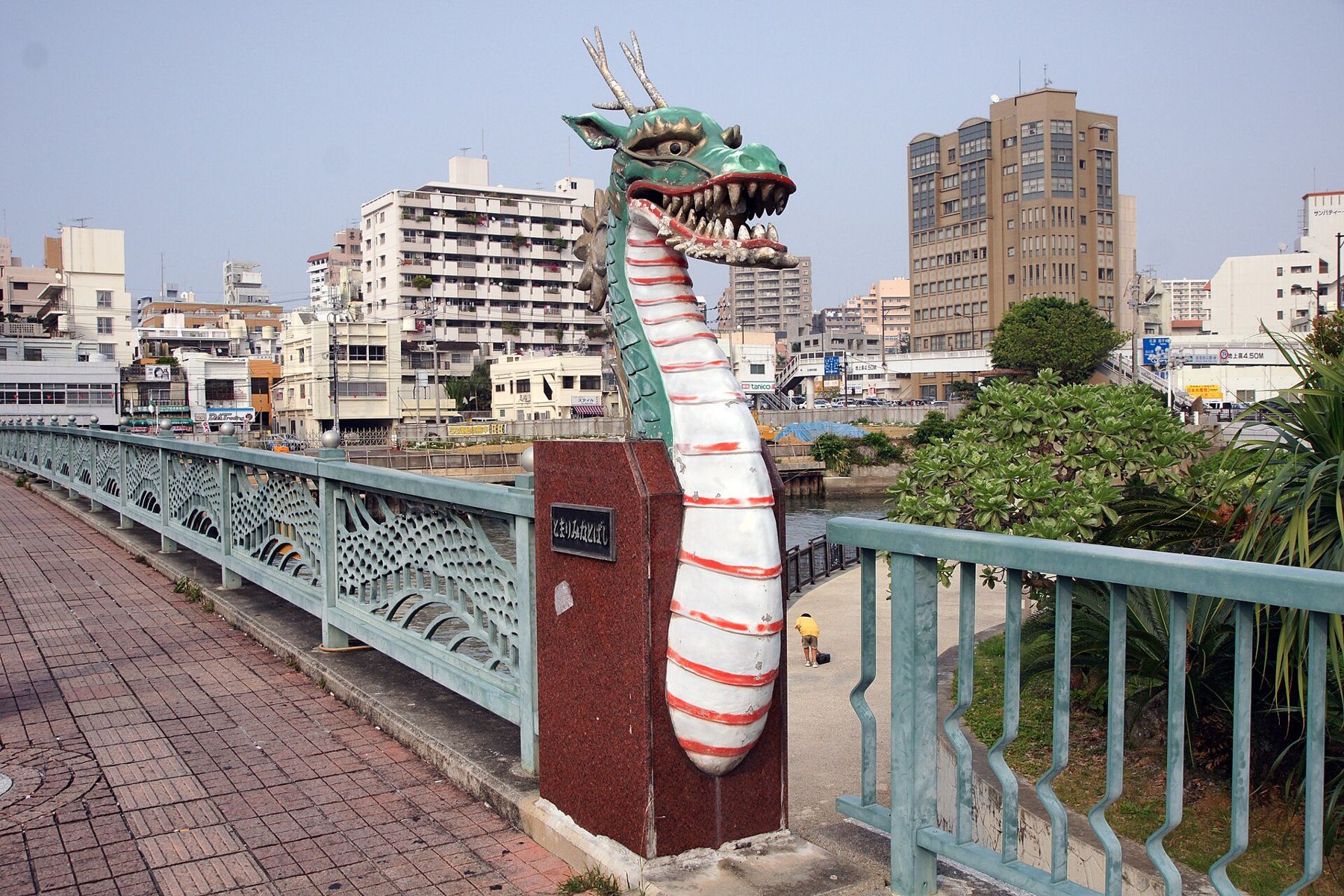
Miyako's nearest neighbours, Irabu, Shimoji, Ikema and Kurima, are now joined to it by bridges. Boats still run to a few smaller islands in the group, such as Ogami and Tarama, the latter also reachable by small aircraft.
In the Yaeyama group
Ishigaki is the hub of the Yaeyama Islands. Its island ferry terminal, in the centre of town, sends boats to Taketomi, Kohama, Kuroshima, Hateruma and two ports on Iriomote, among others. Short routes, like Taketomi, run frequently through the day; longer and more exposed routes, such as Hateruma, run less often and are cancelled more readily in rough seas. Yonaguni, Japan's westernmost island, is reached by air or by a longer ferry.
Cancellations
Island boats are small, and the sea is often rough. Sailings are cancelled in strong winds, high waves and when typhoons approach, sometimes for several days. Operators usually post decisions early in the morning or the evening before. Some routes cancel only certain sailings; others stop completely.
- Check the status of your boat each morning.
- Do not plan a boat for the day before an international flight.
- Leave a spare day at the end of any island trip.
- Keep your accommodation flexible if a storm is forecast.
Booking and seasons
Many short routes do not require advance booking outside busy times, but summer weekends, Golden Week and other holidays bring crowds. For the Keramas and for car ferries, booking ahead is wise. Timetables change by season, and so do fares.
Car ferries and island cars
Yaeyama IslandsIshigaki, the ferry hub of YaeyamaFlight to Ishigaki, then ferrySome routes carry vehicles, but taking a car to a small island is rarely necessary or practical. Most visitors leave cars on the larger island and use bicycles, scooters, buses or hired cars on the smaller ones. On tiny islands, walking is enough.
A sample island trip
- Fly into Naha. Take a day trip or overnight by boat to the Kerama Islands.
- Fly from Naha to Miyako. Drive the bridges and beaches.
- Fly from Miyako to Ishigaki. Use the ferry terminal for Taketomi and Iriomote.
- Fly home from Ishigaki, keeping a spare day at the end.
Flights between Miyako and Ishigaki exist but are limited.
Information on the day
Operators post the status of each sailing on their websites, at the terminals and sometimes by phone, often only in Japanese. Ask at your accommodation for help if needed; staff are used to checking for guests. If a sailing is marked as possibly cancelled depending on conditions, have a backup plan ready.
Arriving at the terminal
Arrive at the terminal well before departure, especially in busy seasons, to buy tickets and find the right boat. Terminals on the main islands have shops and waiting rooms; on small islands, the port may be little more than a jetty and a shelter. Keep your ticket until you leave the boat at the other end.
Why there is no long ferry
Passenger ferries once linked Naha with Miyako and Ishigaki on long overnight voyages, but they ended as air travel became cheaper and faster. Today, cargo ships still carry goods down the chain, but passengers fly. For travellers, this means thinking of Okinawa as several island worlds, each with its own boats, linked by short flights.
Luggage and boarding
Island boats usually have space for luggage near the entrance or in a hold, but large suitcases can be awkward on small fast boats. Travel light if you plan to hop between several islands, and leave heavy bags at your main base if you can. Boarding is quick; staff load luggage and passengers efficiently, and departures are punctual. Life jackets are on board, and safety announcements are made before departure, sometimes only in Japanese, so simply watch closely what the other passengers do.
Comfort at sea
Fast boats are quick but can bounce hard in swell. Larger, slower ferries are steadier. If you are prone to seasickness, take tablets before boarding, sit near the middle of the boat and look at the horizon. Keep valuables and a jacket with you; the sea air is cool even in summer.
For the Kerama route, see the Kerama blue. For Ishigaki's terminal, read Ishigaki, the ferry hub, and for storms, typhoon season.