Tsuboya, Naha's pottery quarter
A few minutes' walk from Naha's busy markets, a quiet district of stone lanes, old kiln walls and shisa-topped roofs has been making Okinawan pottery for more than three centuries.
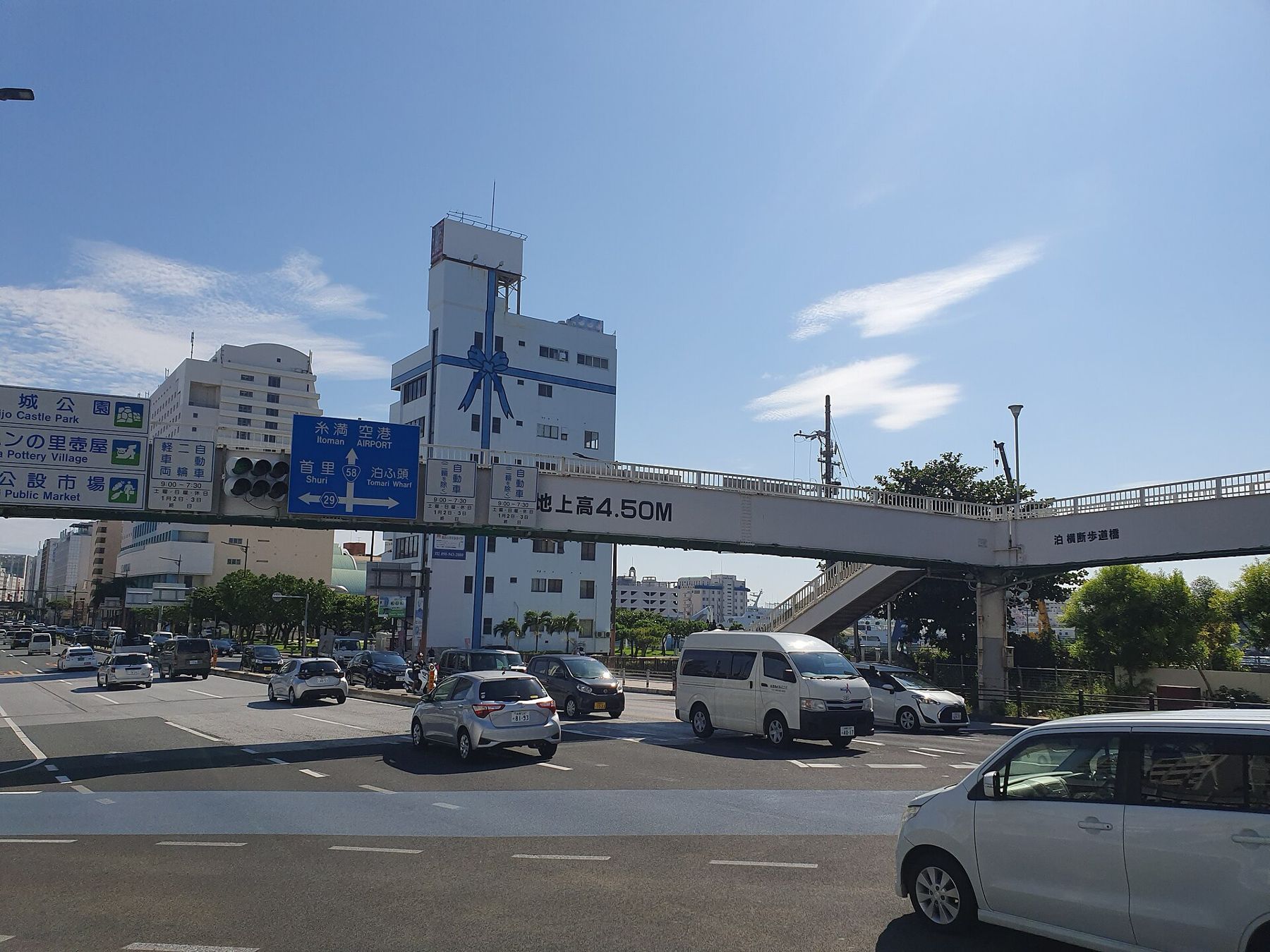
Central Naha can feel like any busy Japanese city: shopping streets, traffic, a monorail overhead. Walk a few minutes east from the market area, though, and the streets narrow into Tsuboya, the old pottery quarter. Stone-paved lanes climb gently between walls of red and grey stone, kilns and workshops sit behind them, and shisa, the lion-dog guardians, peer down from the roofs. It is one of the most atmospheric corners of the city.
Three centuries of yachimun
Pottery in Okinawa is called yachimun. In 1682, the government of the Ryukyu Kingdom gathered potters from several kilns around the island into one place, Tsuboya, and it has been a centre of the craft ever since. Tsuboya ware ranges from unglazed, earthy pieces to brightly glazed dishes, bowls and jars decorated with fish, flowers and bold brush strokes. Large jars for storing awamori, the local spirit, were among its traditional products.
After the war, Tsuboya was one of the first parts of Naha to come back to life, and its kilns helped rebuild the city. Later, smoke from wood-fired kilns became a problem in the dense city, and many potters moved their kilns to the countryside, especially to Yomitan in central Okinawa. Workshops and shops remain in Tsuboya, and the district keeps its character.
Around the pottery lanes
The main street, Tsuboya Yachimun-dori, runs for a few hundred metres with stone paving and pottery shops on both sides. Behind it, small lanes lead past old walls built partly of broken pottery and roof tiles, and to an old climbing kiln, a long, stepped kiln built up a slope, which survives as a reminder of how the pottery was once fired. It is a protected cultural property.
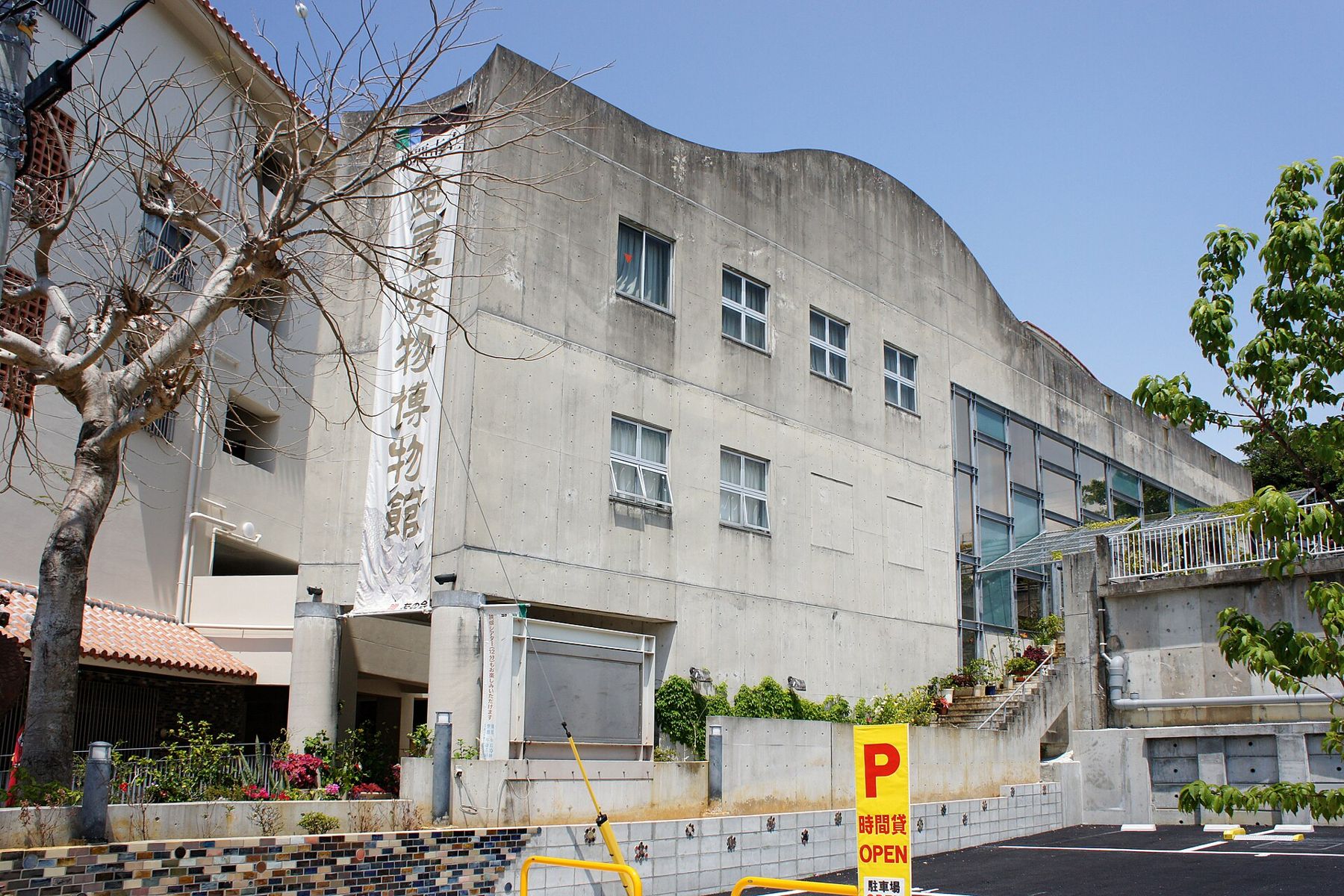
The Tsuboya Pottery Museum tells the story of the craft, from its techniques to its history, with examples of old and new ware.
Shisa everywhere
Tsuboya is one of the best places to see shisa, the guardian figures placed on roofs and gateposts across Okinawa. Many are made here, in clay or as part of roof tiles. Look up as you walk: pairs sit on rooftops, walls and gates, some fierce, some comical, some weathered almost smooth. One usually has an open mouth, the other closed.
Buying, or just looking
The shops of Tsuboya sell everything from everyday dishes to fine pieces by well-known potters. Prices vary enormously. There is no pressure to buy, and looking is welcome; ask before taking photos inside workshops. If you do buy, pottery travels best wrapped in clothes in hand luggage.
Reaching Iriomote and moving about
Across the chainShisa, the guardians on the roofsFound on every islandTsuboya is a short walk from Makishi or Asato stations on the monorail, and from the covered market streets of central Naha. The whole district can be walked in an hour or two, longer with the museum and shops. Many workshops close on certain days of the week, and hours are short in the evening.
How Tsuboya ware is made
Tsuboya potters use local clays, shaped on the wheel or by hand. Two broad traditions developed: unglazed ware, with a rough reddish-brown surface, used for jars and roof tiles; and glazed ware, with glossy surfaces in greens, browns, blues and whites. Decoration includes bold brush painting, incised lines and inlaid patterns, with fish, flowers and arabesques among the favourite motifs. Many potters still work by hand, and no two pieces are quite the same.
The market area next door
Tsuboya sits just east of central Naha's covered shopping streets and the public market, where stalls sell fish, meat, fruit and local foods in a bustling, crowded hall. Walking from the market into Tsuboya is an abrupt change, from noise to quiet in a few hundred metres. The two together make a good half-day in central Naha.
The yachimun village in Yomitan
Many potters who left Tsuboya because of kiln smoke now work in Yomitan, in central Okinawa, where a pottery village grew up around large shared climbing kilns. If the craft interests you, it is worth a separate visit, about an hour's drive north of Naha. Kiln firings happen a few times a year and are sometimes open to watch.
Even if pottery is not your passion, Tsuboya is one of the few places in central Naha that still feels like the old town, with lanes, walls and trees that survived both war and rebuilding. Walk slowly and look at the walls: many are built from fragments of old pots and tiles, a record of centuries of the craft.
Combine Tsuboya with the nearby lanes and small shrines of the old residential streets. Some older houses in the area still have traditional stone walls and gardens, and the neighbourhood is a pleasant contrast to the busy shopping arcades a few streets away.
Small cafés and food stalls are scattered through the district.
Best island weeks
The lanes are pleasant at any time of year, but the stone holds heat in summer; go in the morning or late afternoon. Weekdays are quieter. Rainy days have their own charm, when the wet stone darkens and the lanes empty.
Pair Tsuboya with the walls and gates of Shuri on the hill above, and learn more about the guardians on the roofs in shisa, the guardians. For the islands offshore, start with the Kerama Islands.