Iriomote's mangroves and waterfalls
Iriomote is nine-tenths jungle, laced with rivers lined by mangroves and cut by waterfalls. It is home to a wild cat found nowhere else, and it is the wildest island in Japan's far south.
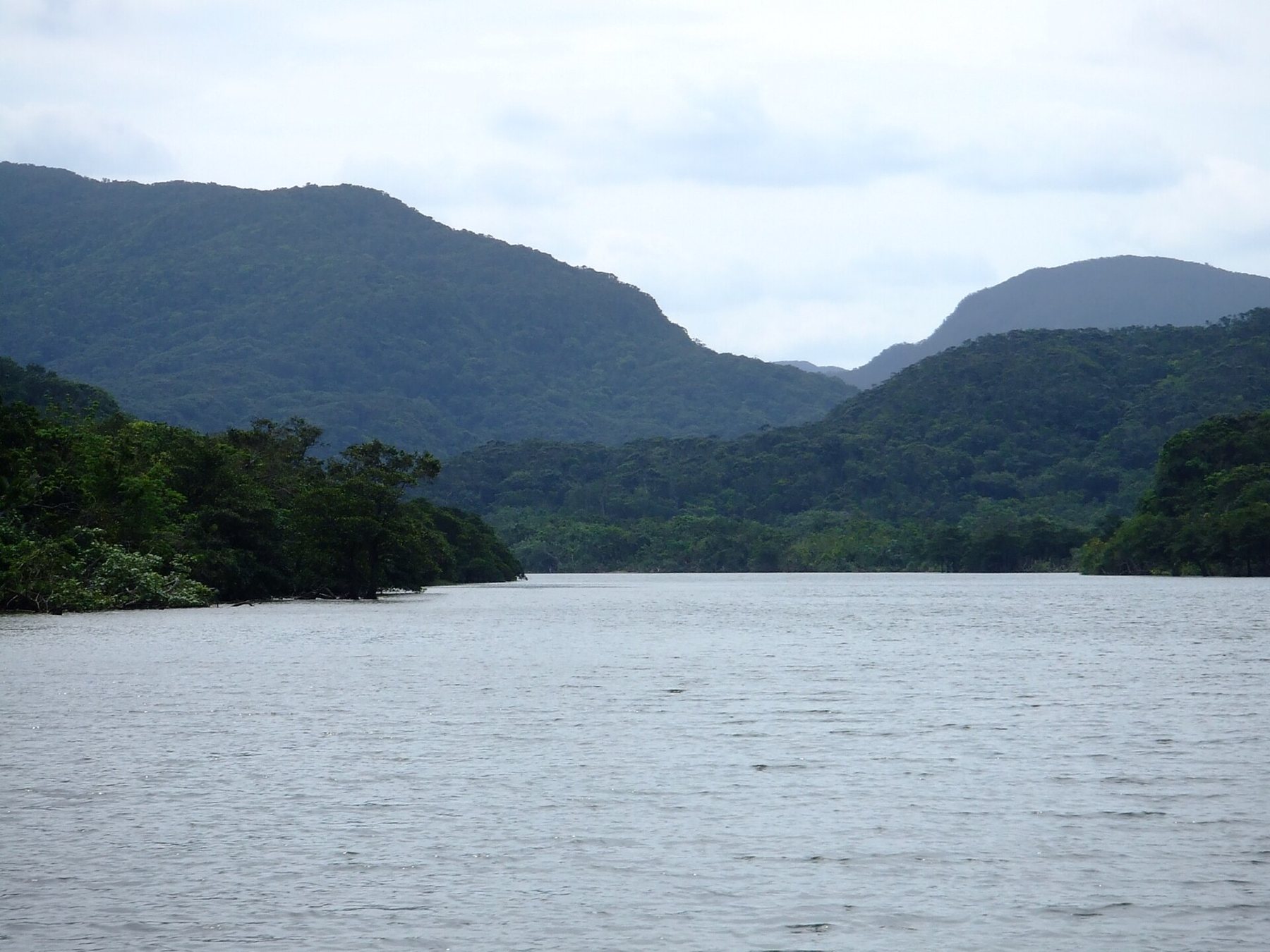
Iriomote is the second-largest island in Okinawa Prefecture after the main island, and the least developed. Most of it is covered in dense subtropical forest, with rivers winding through mangrove swamps to the sea, and waterfalls falling from the hills. A single road runs around part of the coast; the interior has no roads at all. In 2021 the island was inscribed as a UNESCO World Natural Heritage site, together with northern Okinawa and the Amami islands.
The Iriomote cat
The island's most famous inhabitant is the Iriomote cat, a small wild cat found only here, discovered by science in the 1960s. It is critically endangered, with a population of around a hundred animals. Traffic is a serious threat, and road signs and speed limits across the island ask drivers to slow down, especially at night. You are very unlikely to see one, but you will see its image everywhere.
The rivers
The Urauchi River, on the north coast, is one of the longest rivers in Okinawa. Boats run up the river from near its mouth through mangroves and forest, to a point where a walking trail continues to Mariyudu Falls, a broad, stepped waterfall, and further to Kampire Falls. The walk is a few kilometres each way through forest.
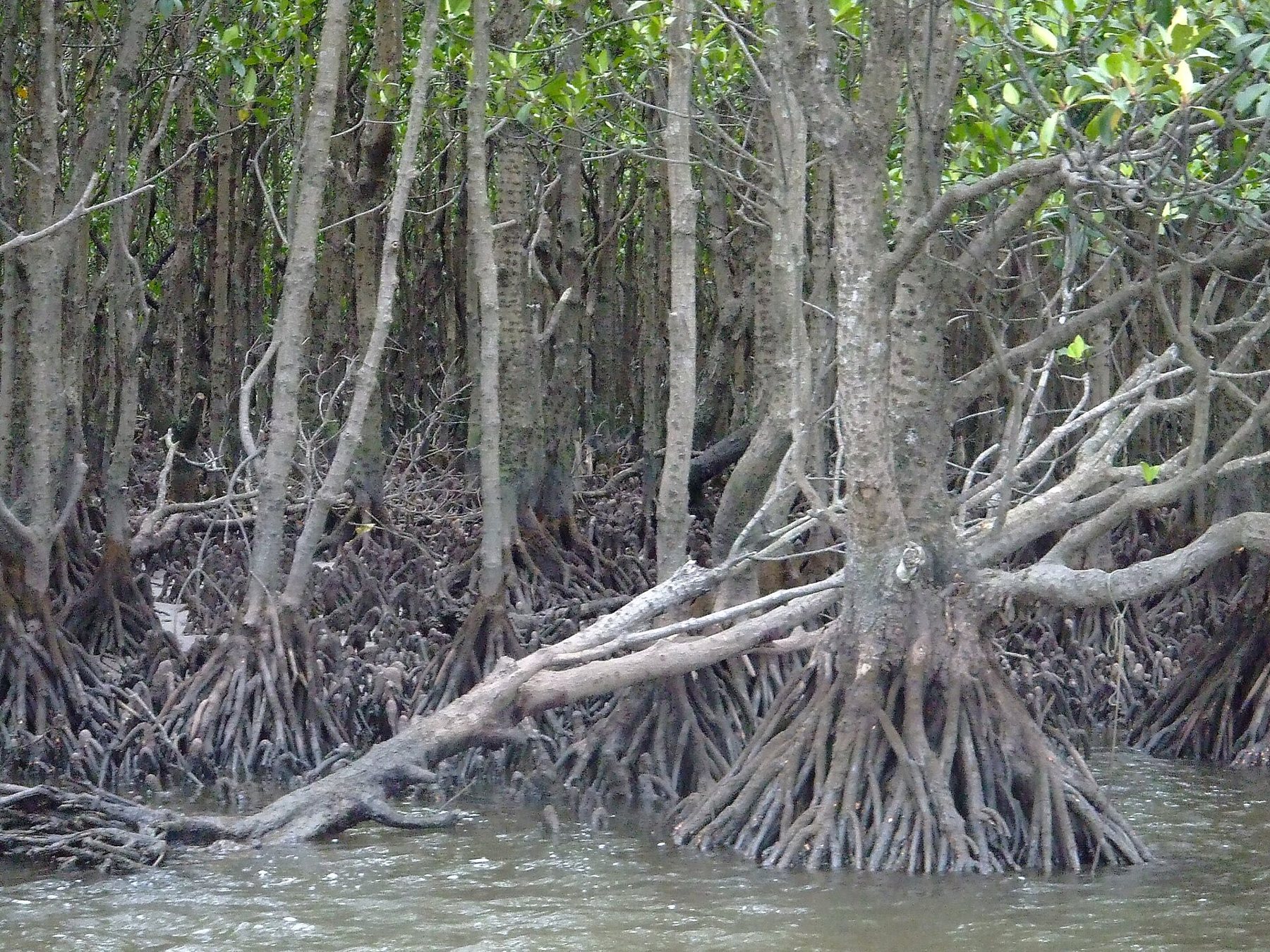
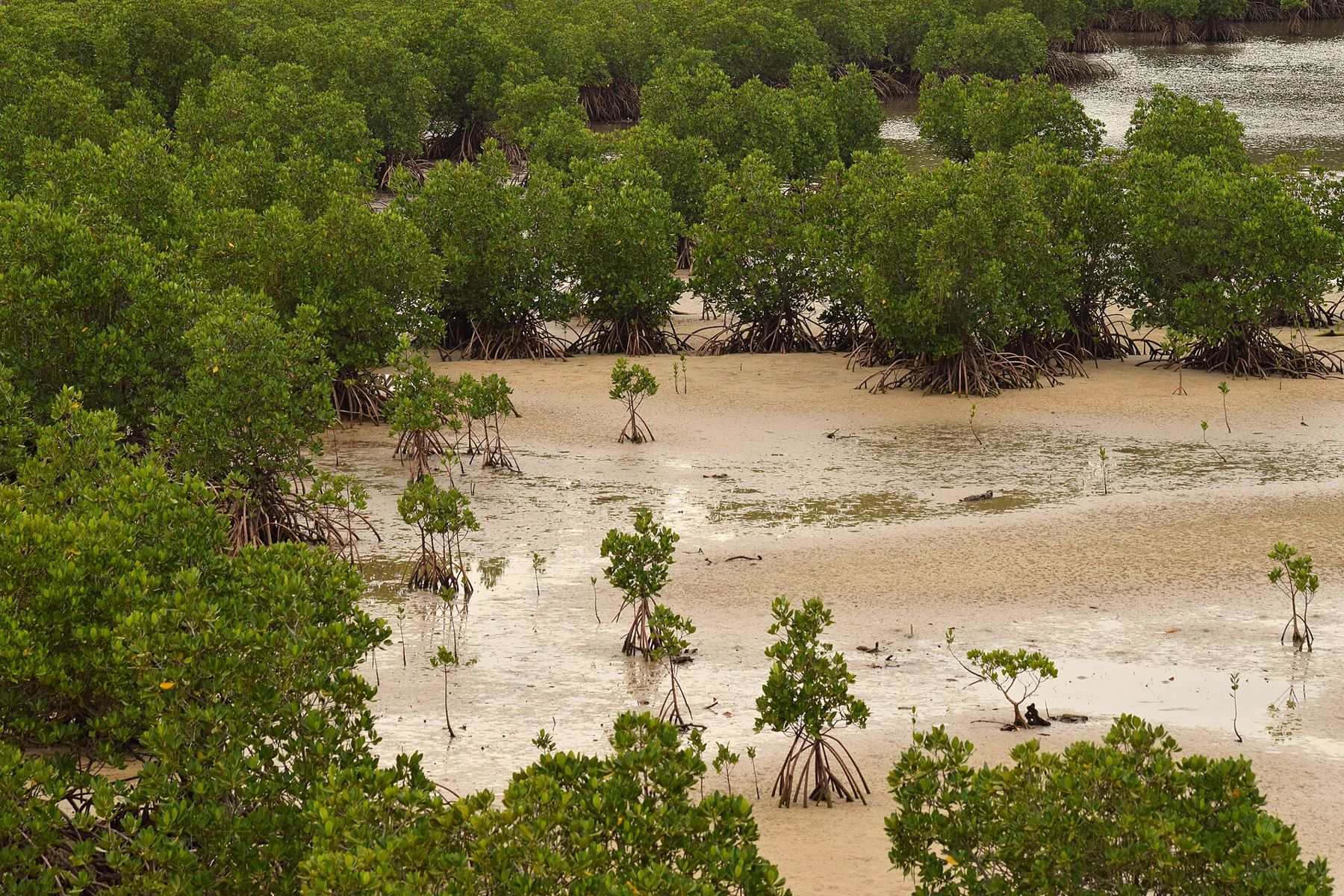
The Nakama River, on the southeast coast, flows through one of the largest mangrove forests in Japan. River trips explore the mangroves, with their tangled roots, crabs and mudskippers, and wading birds along the banks.
A single road runs around part of the coast; the interior has no roads at all.
Kayaking to Pinaisara Falls
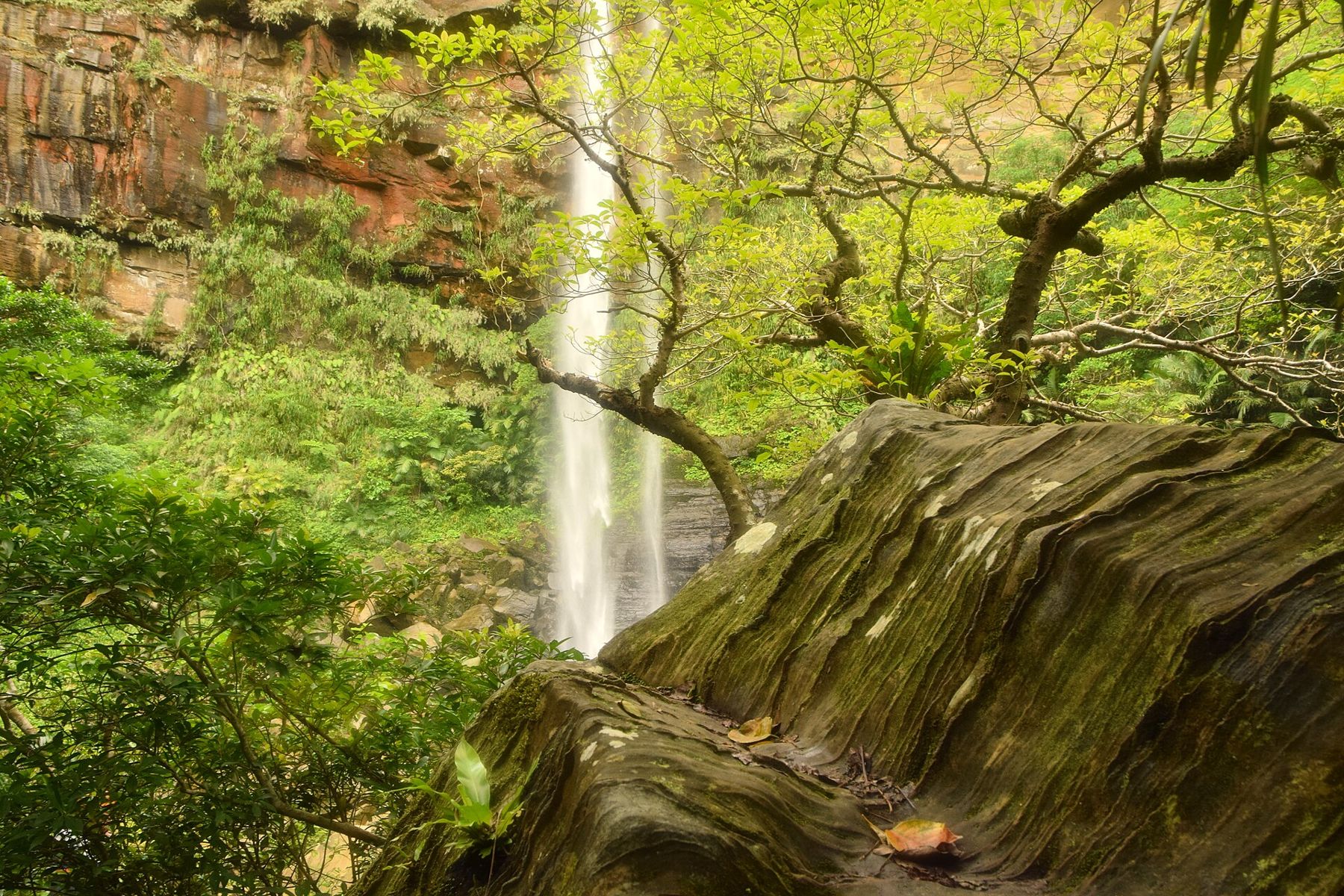
Pinaisara Falls, the highest waterfall in Okinawa Prefecture, can be seen from the coast road as a white thread on the hillside. Reaching it involves paddling a kayak or canoe up a mangrove river and then walking through the forest. Many visitors go with a guide, and some areas of the island now limit entry or require guides to protect the forest and keep visitors safe.
Yubu Island
Off the east coast, the tiny island of Yubu is reached across shallow water by water buffalo cart, a slow and much-photographed crossing. The island holds a botanical garden. It is popular, so expect company.
Safety in the jungle
- Rivers rise quickly after rain, and flash floods can cut off trails. Do not enter rivers in heavy rain.
- Trails can be slippery, muddy and confusing. Stay on marked paths, and do not go alone into the interior.
- Habu snakes live on the island. Look before you step over logs or reach into undergrowth.
- Box jellyfish and strong currents are risks at some beaches in the warm months.
- Carry water and food: shops are few and far apart.
Life on the coast
Iriomote's few villages lie along the coast road, small communities with farms, harbours and a handful of shops. The island has a long history of settlement, abandonment and resettlement, shaped by malaria, which made the interior dangerous until the disease was eradicated after the war, and by coal mining in the early twentieth century, whose ruins lie in the forest on the west of the island.
Beaches and reefs
Yaeyama IslandsTaketomi: red tiles and coral wallsShort ferry from Ishigaki's terminalThe island's beaches are wild and often empty. Hoshizuna Beach, in the north, is known for star sand and for shallow reef pools at low tide. Coral reefs surround much of the island, and snorkelling can be excellent in calm conditions. As everywhere, take nothing from the reef, watch for currents and jellyfish, and swim only where safe.
What to wear in the forest
Iriomote's forest is hot, humid and often wet. Quick-drying clothes, sturdy shoes that can get wet, a hat, insect repellent and a light rain jacket are the essentials. For river trips and waterfall walks, many people wear sandals with straps or water shoes and bring a dry bag for phones and cameras. Leeches are common after rain; check your legs at rest stops.
Guides and rules
Some of Iriomote's most popular places have seen too many visitors, and the island has been working on ways to protect them, including limits on numbers and requirements to visit certain areas with registered guides. A good guide also adds a great deal: knowledge of plants, animals and the tides that control the mangrove rivers.
Wildlife beyond the cat
Even without seeing the wild cat, Iriomote is full of life. Crested serpent eagles perch on roadside poles, kingfishers dart over the rivers, and fiddler crabs wave their claws on the mud flats. At night, frogs and insects fill the forest with sound, and coconut crabs, the largest land crabs, sometimes cross the roads. Drive slowly at night, for their sake and the cat's.
Mangrove rivers are tidal. At low tide, some channels become too shallow for boats or kayaks, and the trips are timed to the tides. Ask before you plan, and expect schedules to shift from day to day as the tides change.
Night on the island
After dark, Iriomote is very quiet. Street lights are few, and the sky is full of stars on clear nights. The forest comes alive with the calls of frogs and insects, and sometimes the hoot of owls. Night walks with experienced local guides can reveal coconut crabs, sleeping birds and glowing fungi. On your own, keep to roads and lit areas, carry a torch, and drive very slowly indeed for the sake of the wild cat and the crabs that cross the roads.
Reaching Iriomote and moving about
Ferries run from Ishigaki to two ports on Iriomote, Ohara in the southeast and Uehara in the north, with crossings under an hour. Uehara services are more often cancelled in rough northerly seas. On the island, a bus runs along the coast road, and hired cars and bicycles are available. Day trips from Ishigaki are possible, but staying on the island lets you be on the rivers early and see the forest at dusk.
Best island weeks
Spring and autumn are the best seasons, with warm weather and fewer storms. The rainy season, around May and June, brings heavy downpours. Summer is hot and humid, and typhoons from late summer into autumn can stop the ferries for days. Winter is mild but often wet and windy.
Start from Ishigaki, the ferry hub, and combine Iriomote with Taketomi's village. For the main island's forest, compare Yanbaru.